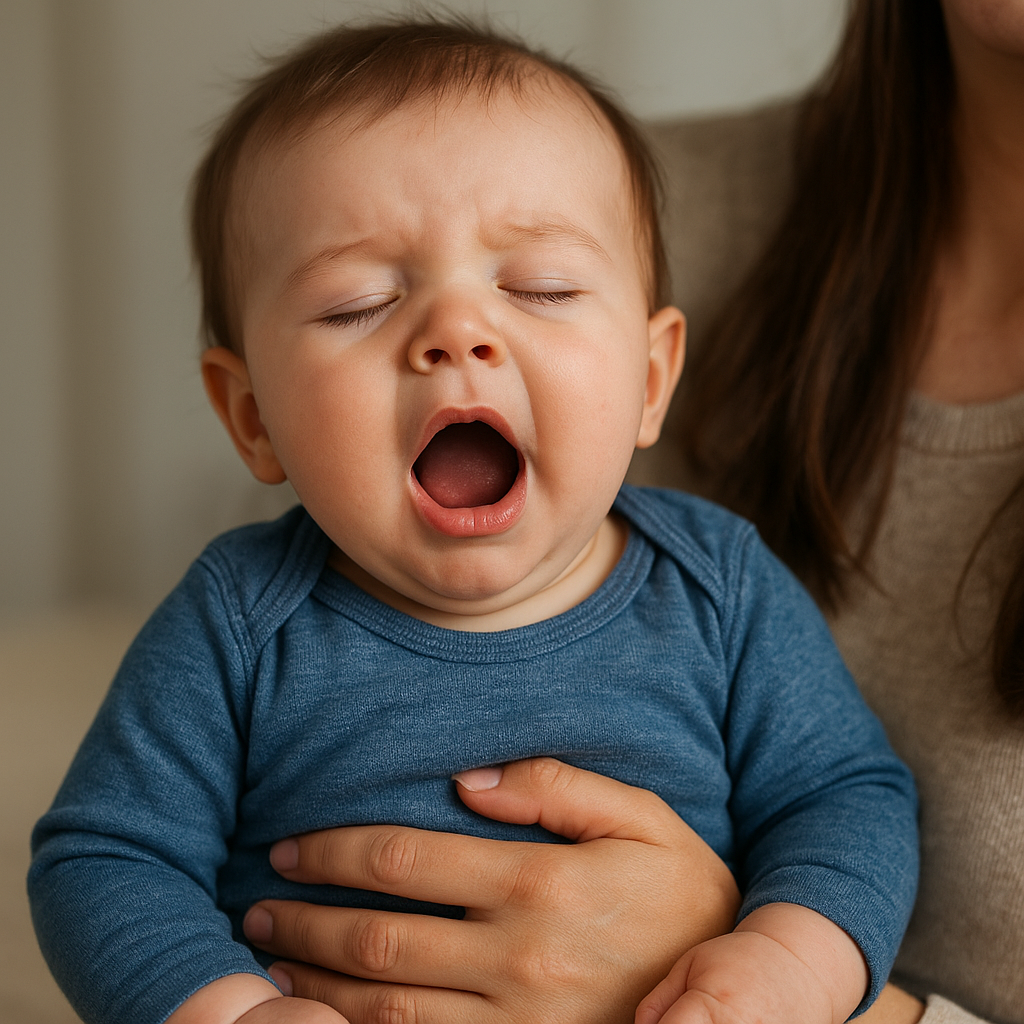
How to get rid of baby hiccups
HealthHow to get rid of baby hiccups
I have spent the last three years documenting the messy, unpredictable reality of raising a toddler, and nothing catches new parents off guard quite like those sudden little jumps. When my first son started having those rhythmic spasms at two weeks old, I panicked. I quickly learned that understanding the physiology behind it changes everything. This is not about scaring them or holding their breath. Modern pediatric guidelines across the CIS region have completely shifted away from folk remedies toward evidence-based pacing and nervous system support.
Understanding the mechanics behind the spasms
Every hiccup is a brief, involuntary contraction of the diaphragm followed by a sudden closure of the vocal cords. The phrenic nerve gets irritated, usually from a full stomach swallowing air or a sudden temperature drop. Centuries ago, families relied on loud noises or pressing on the chest, which we now know can actually trigger stress hormones and worsen the reflex. Today, we track maturation curves. The autonomic nervous system in infants takes roughly twelve to eighteen months to fully regulate these involuntary signals. You will notice the frequency naturally drops as myelination progresses, which is why most toddlers outgrow it entirely by age three.
Why timing matters when figuring out how to get rid of hiccups in newborns
Intervening too early often backfires. The digestive tract is still learning to coordinate with the respiratory system. Paced feeding becomes your primary tool. If you rush a bottle, air bubbles get trapped right below the diaphragm. I switched to a slower flow nipple and kept my son upright for twenty minutes after every feed. The results were immediate. You can read updated clinical recommendations on this pediatric resource for newborn care, which aligns with current 2026 standards for infant gastroenterology.
| Trigger | Physiological response | Effective adjustment |
| Rapid feeding | Stomach expansion pushes diaphragm | Pause every ounce, burp gently |
| Temperature drop | Vagus nerve stimulation | Maintain room temp at 22C, add a layer |
| Overstimulation | Adrenaline spikes interrupt breathing | Dim lights, reduce handling during episodes |
Practical steps for how to get rid of newborn hiccups
Most parents jump straight to water or sugar, but the safest route involves mechanical relief and patience. Upright positioning helps gravity move trapped air upward. A gentle back rub, starting from the lower ribs and moving toward the shoulders, can coax the muscle into a relaxed state. I noticed that offering a pacifier during an episode often breaks the spasm cycle because the sucking motion regulates the breathing rhythm. Do not force it if the child resists, as tension makes the diaphragm contract harder.
Step-by-step guide on how to get rid of infant hiccups safely
First, check the latch or bottle angle. Second, stop feeding temporarily and hold the child against your chest. Third, wait for three to five minutes. If the spasms continue, try a slow-paced burp technique rather than vigorous patting. Many fathers I talk to in local parenting groups still use outdated methods, but clinical data shows calm handling yields better results. The vagus nerve responds to steady pressure and rhythmic breathing from the caregiver. Mirror your own calm, and their nervous system will follow.
Pediatric consensus now emphasizes that brief hiccup episodes are harmless developmental markers, not distress signals requiring immediate intervention.
Quick fixes vs myths for how to get rid of hiccups in babies fast
You will hear a lot of advice from relatives about startling the child or giving cold water. These approaches are outdated and potentially dangerous for infants under six months. The only reliable method for fast relief involves adjusting the feeding environment and ensuring proper gastric decompression. I tested dozens of techniques before realizing that prevention beats reaction. Keeping a log of feeding times and hiccup frequency helped me spot patterns related to growth spurts. When their caloric needs spike, they gulp faster, and the diaphragm reacts accordingly.
Adjusting routines to know how to help a baby get rid of hiccups
- Schedule feeds before extreme hunger sets in
- Use anti-colic bottle designs with angled vents
- Keep the child upright for at least fifteen minutes post-meal
- Avoid tight waistbands that compress the abdomen
Tracking these small changes over weeks reveals a clear downward trend in episode duration. The commom mistake I see in online forums is treating every spasm as a medical emergency. Most resolve within ten to fifteen minutes without any intervention. As the gut microbiome stabilizes and digestive enzymes mature, the reflex pathways simply stop firing unnecessarily. You just need to stay consistent with pacing and positioning.
Tracking progress: how to get rid of hiccups in a newborn over months
The timeline varies, but you will notice a sharp decline around four months. By six months, the frequency drops to occasional episodes tied to specific triggers like cold drafts or vigorous play. I documented this shift with my own son, and the data matched regional pediatric charts almost perfectly. The nervous system finally catches up with the body’s growth rate. If episodes persist beyond twelve months or interfere with sleep and feeding, consult a specialist to rule out gastroesophageal reflux. Otherwise, ride out the phase with steady routines and minimal interference.
Gentle techniques for how to help babies get rid of hiccups
Focus on environmental stability and predictable feeding windows. Keep the room warm, use a humidifier if the air is dry, and maintain a calm atmosphere during meals. The diaphragm responds well to reduced stress and steady oxygen intake. I still catch my younger one hiccuping occasionally after a big laugh, but it lasts maybe two seconds now. That is the natural progression. You do not need to fix what is already healing. Just keep the feeding rhythm steady, trust the developmental curve, and let the nervous system do its job.